看免费影视网 看免费影视网
游客
海报背景
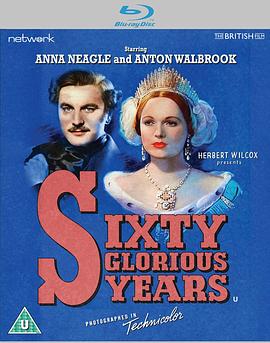
荣耀六十年海报图片

荣耀六十年

备注 :HD
更新 :2026-02-15 21:19:20
1938·英国·剧情 ·英语·
立即播放
收藏
4.0
网友评分
  • 很差
  • 较差
  • 还行
  • 推荐
  • 力荐
615次评分
  • 很差
  • 较差
  • 还行
  • 推荐
  • 力荐
扫描观看

扫描一扫app播放

  Sixty Glorious Years is an exercise in the creation of iconography, both for Victoria and its star, Anna Neagle (who subsequently became known as 'Regal Neagle'). Just as Elizabeth I commissioned artists to create flattering iconic images for public consumption, so this film performs a similar function, for Neagle is more beautiful than the real life Victoria. Controversial events (such as the 'Irish problem') are omitted and unpleasant aspects of Victoria's character (her petulance, arrogance, favouritism and 'right to privilege') are glossed over as endearing little 'whims'. Albert acts as a moderating influence when she goes too far.  The film followed a year after the highly successful Victoria the Great (d. Herbert Wilcox, 1937). Again the screenplay is by Miles Malleson and Robert Vansittart, and many of the supporting cast (the cream of acting talent of period) repeat their roles, this time for the colour cameras. This was the first full length Technicolor film of cinematographer Freddie Young, who captures the spectacle of royal weddings, grand balls and opulent interiors, with scenes actually filmed at royal palaces. Vivid battle scenes, set in Alexander Korda's empire territory (Sevastopol and the Sudan), rival those in The Four Feathers (d. Zoltan Korda 1939).  The title music sets the tone: a regal choir sings over a shot of the crown. Elgar's 1901 'Pomp and Circumstance' march is heard during the diamond jubilee celebrations and, as Victoria's coffin lies in state, the film concludes with Anthony Collins' stately music accompanied by the text of Rudyard Kipling's 'Lest we forget'. Combined with the emotional appeal of scenes of Victoria connecting with her 'ordinary folk', this is stirring stuff.  The film connects with contemporary events of 1938. The release of two celebratory royal films was intended to boost public affection for the monarchy in the wake of Edward VIII's abdication. Anglo-German relations were another touchy subject. With another war on the horizon, influential voices wanted appeasement, and the film could be seen to fit that agenda. Victoria herself was of mainly German descent, nicknamed 'the grandmother of Europe', while Albert is a 'good German', charmingly played by Anton Walbrook as a cultured, decent man.  Sixty Glorious Years now seems unduly formal and reverential. Had movies existed during Victoria's reign (they only emerged at the end) this might have been the kind of film produced. Unlike Mrs Brown (d. John Madden, 1997), it is all so very 'Victorian'.  Roger Philip Mellor
展开

无模块

资源列表

排序

相关明星

相关明显

更多

相关影片

更多
浴火之森
贝伦·奎斯塔,戴安娜·戈麦斯,恩里克·奥克尔,华金·弗里尔
寻秦记2025
古天乐,林峯,宣萱,郭羡妮,滕丽名,白百何,苗侨伟,张继聪,朱鉴然,吴樾,洪天明,高战,邓一君,廖启智,欧瑞伟,陈国邦,黄文标,蔡一智,廖子妤,郑雪儿,徐伟栋,洪天照
寻秦记2025
古天乐,林峯,宣萱,郭羡妮,滕丽名,白百何,苗侨伟,张继聪,朱鉴然,吴樾,洪天明,高战,邓一君,廖启智,欧瑞伟,陈国邦,黄文标,蔡一智,廖子妤,郑雪儿,徐伟栋,洪天照
不被爱也没关系
南沙良,马场富美加,本田望结,基俊介,河井青叶,伊岛空,池津祥子
奶奶2023
“奶奶”(导演自幼将外婆误称为奶奶)离世后,导演彩玲开始与她的旧识亲友见面——“奶奶”最好的朋友和弟弟,以及彩玲的奶奶。旅程中,导演探访了哥斯达黎加的不同地区,一窥华人社群的风貌,并在邂逅的人物与已故
熊猫计划之部落奇遇记
成龙,马丽,乔杉,于洋,王影璐,张子栋,王成思,柯达,宋木子,冯满,王星,潘斌龙,于荣光,胡笑源,林俊杰
灵气逼人1984[电影解说]
周润发,叶倩文,黄百鸣,罗烈,麦洁文,黄锦燊,李茱迪,何家劲,姚友雄,钱似莺,李永洪,谭慧薇,赵俊超,梁家杰,成福安,成运安,温嘉文
真·鲛岛事件[电影解说]
武田玲奈,小西樱子,滨正悟,林乌,鹤见萌,佐野岳,主滨晴美
孔雀舞曲
高我星,文相敏,卞约汉
冥界桥
爱德华·马纳鲁,Raihan Khan,Agus Kuncoro
擂台兄弟
阿俊·阿肖坎,Roshan Mathew,维沙克·奈尔 ,Ishan Shoukath,Carmen S Mathew,Siddique,Syamaprakash M.S.,Thezni Khan,拉克施米·麦侬,Mammolotti
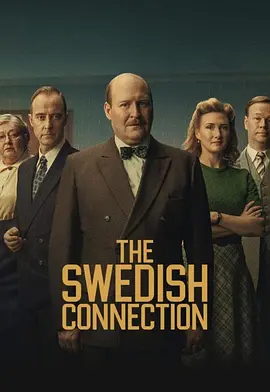
瑞典救援暗线
Sissela Benn,玛丽安娜·莫克,Eva Westerling
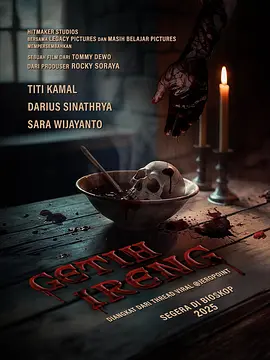
黑豆
Titi Kamal,Darius Sinathrya,Sara Wijayanto
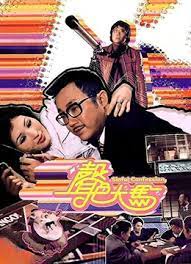
声色犬马
许冠文 白小曼 胡锦 谷峰 詹森
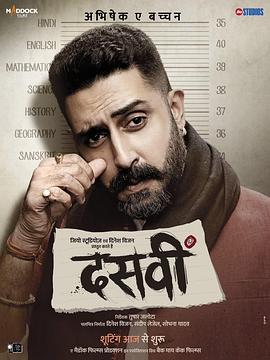
铁窗苦读
阿布舍克·巴强,亚米·高塔姆,尼姆拉特·考尔
深海异变
魏笑,张春仲,赵晓明
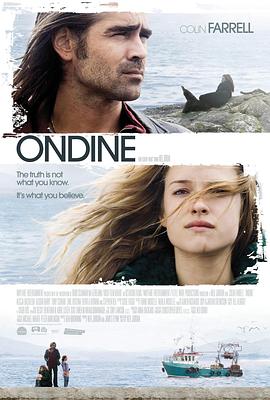
水中仙
科林·法瑞尔,艾丽卡·巴赫蕾达-库鲁斯,德乌拉·基尔万,艾莉森·巴瑞,马里昂·奥德怀尔,托尼·库兰,Mary O'Shea,Gemma Reeves,斯蒂芬·瑞,诺玛·谢汗,埃米尔奥斯迪那,Conor Power,Olwyn Hanley,Brendan McCormack,马克·达赫蒂,唐·威彻利
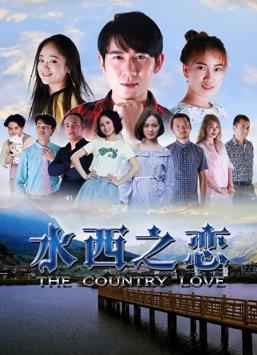
水西之恋
张腾宇,杨涵艺,李静月,杨小箭,陈欣
  • 片名:荣耀六十年
  • 状态:HD
  • 主演:Anna Neagle Anton Walbrook C. Aubrey Smith Walter Rilla 
  • 导演:Herbert Wilcox 
  • 年份:1938
  • 地区:英国
  • 类型:剧情 
  • 频道:内详
  • 上映:未知
  • 语言:英语
  • 更新:2026-02-15 21:19
  • 简介:  Sixty Glorious Years is an exercise in the creation of iconography, both for Victoria and its star, Anna Neagle (who subsequently became known as 'Regal Neagle'). Just as Elizabeth I commissioned artists to create flattering iconic images for public consumption, so this film performs a similar function, for Neagle is more beautiful than the real life Victoria. Controversial events (such as the 'Irish problem') are omitted and unpleasant aspects of Victoria's character (her petulance, arrogance, favouritism and 'right to privilege') are glossed over as endearing little 'whims'. Albert acts as a moderating influence when she goes too far.  The film followed a year after the highly successful Victoria the Great (d. Herbert Wilcox, 1937). Again the screenplay is by Miles Malleson and Robert Vansittart, and many of the supporting cast (the cream of acting talent of period) repeat their roles, this time for the colour cameras. This was the first full length Technicolor film of cinematographer Freddie Young, who captures the spectacle of royal weddings, grand balls and opulent interiors, with scenes actually filmed at royal palaces. Vivid battle scenes, set in Alexander Korda's empire territory (Sevastopol and the Sudan), rival those in The Four Feathers (d. Zoltan Korda 1939).  The title music sets the tone: a regal choir sings over a shot of the crown. Elgar's 1901 'Pomp and Circumstance' march is heard during the diamond jubilee celebrations and, as Victoria's coffin lies in state, the film concludes with Anthony Collins' stately music accompanied by the text of Rudyard Kipling's 'Lest we forget'. Combined with the emotional appeal of scenes of Victoria connecting with her 'ordinary folk', this is stirring stuff.  The film connects with contemporary events of 1938. The release of two celebratory royal films was intended to boost public affection for the monarchy in the wake of Edward VIII's abdication. Anglo-German relations were another touchy subject. With another war on the horizon, influential voices wanted appeasement, and the film could be seen to fit that agenda. Victoria herself was of mainly German descent, nicknamed 'the grandmother of Europe', while Albert is a 'good German', charmingly played by Anton Walbrook as a cultured, decent man.  Sixty Glorious Years now seems unduly formal and reverential. Had movies existed during Victoria's reign (they only emerged at the end) this might have been the kind of film produced. Unlike Mrs Brown (d. John Madden, 1997), it is all so very 'Victorian'.  Roger Philip Mellor
视频
搜索历史
删除
热门搜索
本地记录 云端记录
登录账号